What happened?
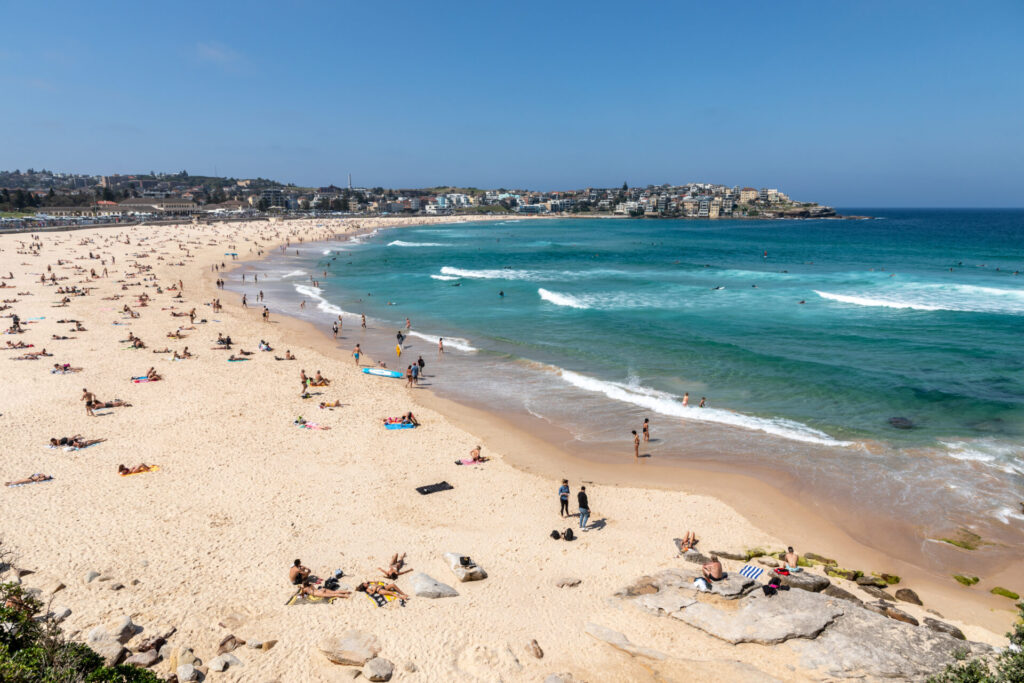
On 14 December 2025, a father and son, Sajid Akram (50) and Naveed Akram (24), carried out a mass shooting at Archer Park, Bondi Beach in Sydney during a public Hanukkah celebration organized by Chabad of Bondi, attended by around a thousand people. The pair used legally owned firearms registered to the father, firing from a pedestrian bridge and nearby carpark at crowds gathered for the lighting ceremony; 16 people were killed and 43 injured, making it the deadliest political violence incident in Australian history since Port Arthur. One gunman, the father, was shot dead by police at the scene, while the son was critically wounded and is now in custody under guard. Police and intelligence services quickly classified the attack as terrorism inspired by the so called Islamic State ideology after finding ISIS flags and rudimentary improvised explosive devices in a vehicle linked to the attackers, and Authorities have described it as an explicitly antisemitic attack targeting Jews at a Hanukkah event, while media outlets highlighted the actions of bystander Ahmed al Ahmed, who sprinted toward one of the gunmen, tackled him from behind and wrestled away his rifle, sustaining gunshot wounds in the process.
What does it mean?
The Bondi attack underscores how a small, family-based cell can produce very high lethality with modest means when it combines legal weapons access, ideological commitment, and minimal operational secrecy. Investigators say the attack was motivated by the so-called Islamic State style jihadist ideology and antisemitism, with both ISIS symbols and basic IEDs found, and with Naveed already known to security services since 2019 for connections to extremist networks and a radical preacher. For Jewish communities, the choice of target an open, family oriented religious celebration in a central Jewish neighborhood sends a clear message that even highly visible and seemingly protected communal events remain vulnerable, feeding into a wider global pattern of attacks on synagogues, holiday markets, and Jewish schools linked to the Gaza war and rising antisemitism.
From a threat profiling perspective, the case challenges some common assumptions about age and lone wolf actor risk. Many recent lone wolf inspired attacks in Western countries have been driven by men in their late teens or early twenties. Here, the senior perpetrator is 50 years old, with his son in his early twenties, and Sajid is the one with the gun license and long-standing firearms access. It is therefore worth noting that this incident features a slightly older lead actor than the stereotypical youth lone attacker, suggesting that intergenerational radicalization inside family units can create a scenario where an older parent provides weapons, experience, and social cover while a younger relative contributes ideological intensity and transnational links, such as the pair’s recent travel to the Philippines where so called Islamic state affiliated groups remain active.
The consequences
In the domestic arena, Bondi is already driving a significant tightening of Australian gun and counterterrorism policy. The federal government and states have agreed in principle to restrict gun ownership to citizens, limit the number and type of firearms an individual can hold, and accelerate national firearms register, with explicit plans to integrate intelligence assessments into licensing decisions rather than relying mainly on criminal records. Security services are under pressure to explain why Naveed, known to ASIO since 2019, was not monitored more closely, and reviews are expected around thresholds for surveillance, red flag indicators like travel to jihadist linked areas in the Philippines, and the specific risk posed by households where one member combines radicalization signals with legal weapons access. The attack has also triggered a visible surge in protection for Jewish institutions, schools, and events across Australia and New Zealand, and a renewed national conversation about antisemitism, Muslim community relations, and the limits of online hate speech.
At the international level, the incident will likely become a key reference point in discussions of antisemitic terrorism and the so-called Islamic state inspired violence in high control gun environments. It confirms that religious holidays and public Jewish gatherings remain high value symbolic targets for political violence, and may encourage copycat small cell plots that emulate the Bondi model of using a small number of long guns in crowded symbolic venues. An increase in such attacks is expected after the war on Gaza, For risk analysts and policymakers, Bondi strengthens the case for expanding lone actor profiles to include older men with long firearm histories, particularly where there are signs of ideological drift, radical contacts, or family members already flagged by security services, and for integrating that broadened profile into future community-based prevention and licensing frameworks.