
Featured

What happened?
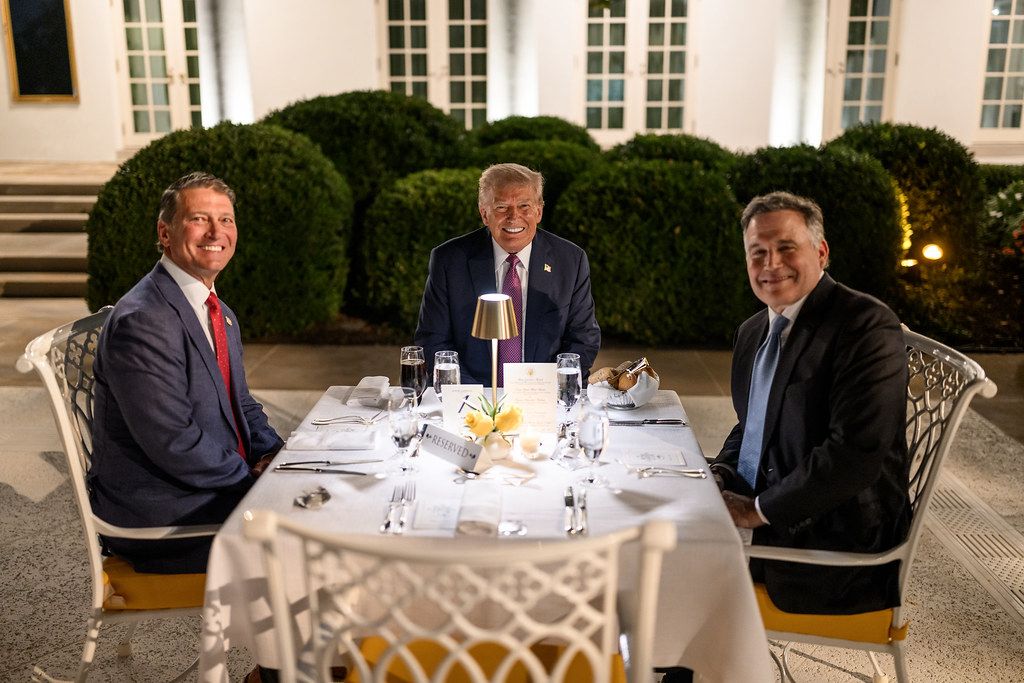
On Saturday evening, 25 April 2026, U.S. President Donald Trump was evacuated from the White House Correspondents’ Association Dinner at the Washington Hilton after an armed man allegedly tried to breach security and opened fire near the ballroom. Trump, Melania Trump, Vice President JD Vance, cabinet members, and attendees were unharmed, while one Secret Service agent or officer was reportedly struck but survived due to a bullet-resistant vest.
The suspect, Cole Tomas Allen, 31, from Torrance, California, was reportedly armed with a shotgun, handgun, and multiple knives. Authorities believe he acted alone, but his motive remains unconfirmed. Initial reports suggest he may have been staying at the hotel, allowing him to approach the outer security area before the confrontation. Officials believe he may have targeted members of the Trump administration, with federal firearm and assault charges expected and additional charges possible.
What does it mean?
The incident marks a serious escalation in the threat environment around President Trump and senior U.S. officials. Although Trump was unharmed and the attacker did not reach the ballroom, the breach occurred at a highly symbolic political-media event attended by senior officials, journalists, and political elites, giving it significance beyond the immediate harm.
It also reinforces a pattern of political violence linked to Trump since 2024, including the Butler rally shooting and the Florida golf course assassination attempt. The case suggests the threat remains active and may involve low-signature lone actors rather than organized extremist networks.
From a political violence perspective, the incident is significant because of its symbolic target, the suspect’s unclear ideological profile, and the security questions raised by an armed individual getting close enough to open fire near a protected event.
The motive remains unresolved, so the case should be treated as suspected targeted political violence, but not yet as a confirmed ideologically motivated assassination attempt.
The consequences
The armed breach at the White House Correspondents’ Dinner should be treated as a severe political violence incident, with potential assassination-related intent pending confirmation of motive. Its analytical significance lies not only in the actions attributed to the suspect, but also in the proximity of the attempted attack to a highly protected presidential event, and in the fact that it comes within a broader series of attempts to target Trump since 2024. These include the assassination attempt at the Butler rally in Pennsylvania, which the FBI investigated as an “assassination attempt” and “potential domestic terrorism,” and the Ryan Wesley Routh attempt near Trump’s golf course in Florida, which ended in a federal life sentence.
The incident also reflects a broader challenge in the U.S. political violence environment, where the threat is no longer confined to a single current, but is distributed across lone actors, networks, and extremist currents from different ideological backgrounds. The FBI has warned that the most serious domestic threat comes from lone actors who radicalize online and target soft targets with easily accessible weapons, while studies indicate a rise in violence associated with left-wing, anarchist, and anti-fascist currents in recent years, while also emphasizing that levels of left-wing violence have historically remained lower than violence by far-right and jihadist actors.
Analytically, the most important point is that the incident exposes persistent vulnerabilities in securing highly symbolic political gatherings, and reinforces the growing challenge posed by lone-actor threats against senior political figures in the United States, particularly when domestic polarization intersects with easy access to weapons and the high symbolic value of political targets.
What happened?
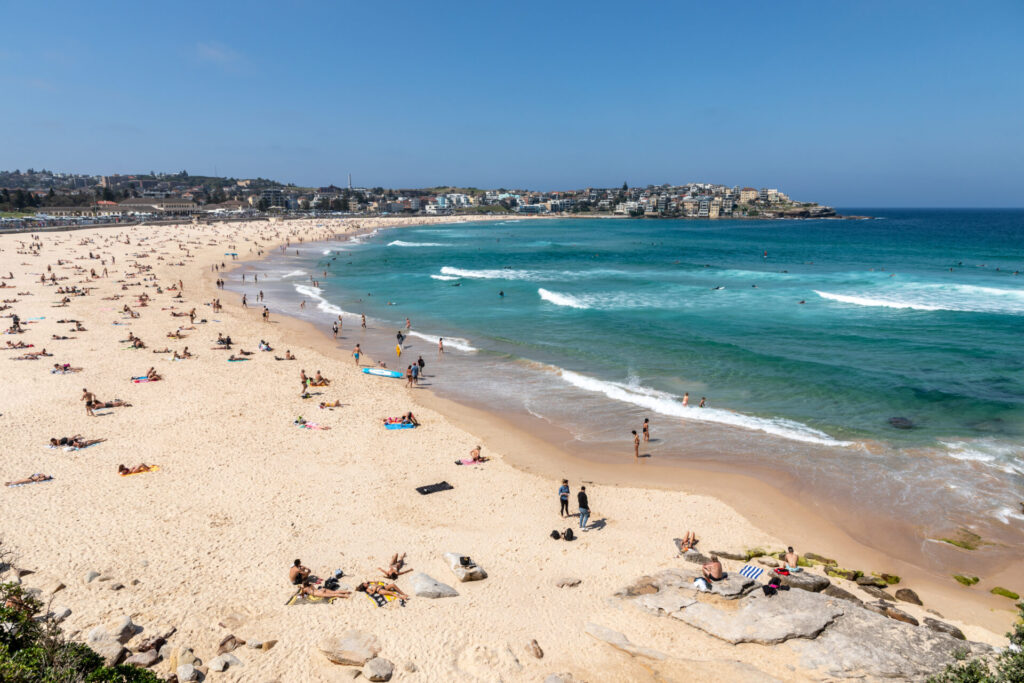
On 14 December 2025, a father and son, Sajid Akram (50) and Naveed Akram (24), carried out a mass shooting at Archer Park, Bondi Beach in Sydney during a public Hanukkah celebration organized by Chabad of Bondi, attended by around a thousand people. The pair used legally owned firearms registered to the father, firing from a pedestrian bridge and nearby carpark at crowds gathered for the lighting ceremony; 16 people were killed and 43 injured, making it the deadliest political violence incident in Australian history since Port Arthur. One gunman, the father, was shot dead by police at the scene, while the son was critically wounded and is now in custody under guard. Police and intelligence services quickly classified the attack as terrorism inspired by the so called Islamic State ideology after finding ISIS flags and rudimentary improvised explosive devices in a vehicle linked to the attackers, and Authorities have described it as an explicitly antisemitic attack targeting Jews at a Hanukkah event, while media outlets highlighted the actions of bystander Ahmed al Ahmed, who sprinted toward one of the gunmen, tackled him from behind and wrestled away his rifle, sustaining gunshot wounds in the process.
What does it mean?
The Bondi attack underscores how a small, family-based cell can produce very high lethality with modest means when it combines legal weapons access, ideological commitment, and minimal operational secrecy. Investigators say the attack was motivated by the so-called Islamic State style jihadist ideology and antisemitism, with both ISIS symbols and basic IEDs found, and with Naveed already known to security services since 2019 for connections to extremist networks and a radical preacher. For Jewish communities, the choice of target an open, family oriented religious celebration in a central Jewish neighborhood sends a clear message that even highly visible and seemingly protected communal events remain vulnerable, feeding into a wider global pattern of attacks on synagogues, holiday markets, and Jewish schools linked to the Gaza war and rising antisemitism.
From a threat profiling perspective, the case challenges some common assumptions about age and lone wolf actor risk. Many recent lone wolf inspired attacks in Western countries have been driven by men in their late teens or early twenties. Here, the senior perpetrator is 50 years old, with his son in his early twenties, and Sajid is the one with the gun license and long-standing firearms access. It is therefore worth noting that this incident features a slightly older lead actor than the stereotypical youth lone attacker, suggesting that intergenerational radicalization inside family units can create a scenario where an older parent provides weapons, experience, and social cover while a younger relative contributes ideological intensity and transnational links, such as the pair’s recent travel to the Philippines where so called Islamic state affiliated groups remain active.
The consequences
In the domestic arena, Bondi is already driving a significant tightening of Australian gun and counterterrorism policy. The federal government and states have agreed in principle to restrict gun ownership to citizens, limit the number and type of firearms an individual can hold, and accelerate national firearms register, with explicit plans to integrate intelligence assessments into licensing decisions rather than relying mainly on criminal records. Security services are under pressure to explain why Naveed, known to ASIO since 2019, was not monitored more closely, and reviews are expected around thresholds for surveillance, red flag indicators like travel to jihadist linked areas in the Philippines, and the specific risk posed by households where one member combines radicalization signals with legal weapons access. The attack has also triggered a visible surge in protection for Jewish institutions, schools, and events across Australia and New Zealand, and a renewed national conversation about antisemitism, Muslim community relations, and the limits of online hate speech.
At the international level, the incident will likely become a key reference point in discussions of antisemitic terrorism and the so-called Islamic state inspired violence in high control gun environments. It confirms that religious holidays and public Jewish gatherings remain high value symbolic targets for political violence, and may encourage copycat small cell plots that emulate the Bondi model of using a small number of long guns in crowded symbolic venues. An increase in such attacks is expected after the war on Gaza, For risk analysts and policymakers, Bondi strengthens the case for expanding lone actor profiles to include older men with long firearm histories, particularly where there are signs of ideological drift, radical contacts, or family members already flagged by security services, and for integrating that broadened profile into future community-based prevention and licensing frameworks.
What happened?
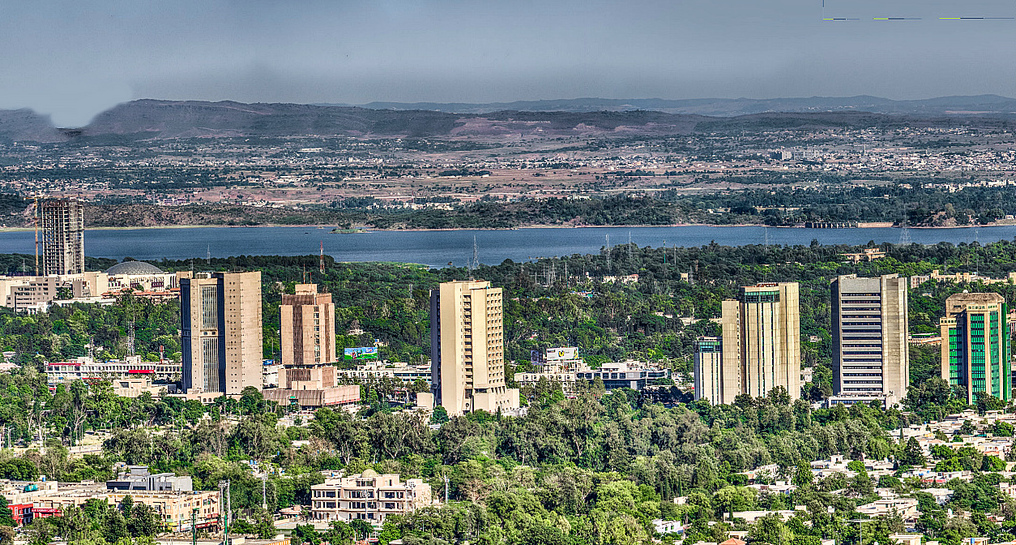
On the morning of November 11, 2025, a suicide bombing occurred outside a courthouse in Pakistan’s capital, Islamabad, killing 12 people and injuring at least 27 others. The attacker attempted to enter the courthouse but was stopped at a security checkpoint before detonating himself near a police vehicle.
A splinter faction of the Pakistani Taliban (Jamaat-ul-Ahrar) claimed responsibility for the attack, while the group’s central leadership denied involvement, highlighting internal divisions within jihadist networks.
Prime Minister Shehbaz Sharif accused hostile forces backed by India of being behind the bombing an allegation India swiftly rejected. The incident quickly escalated from a security breach to a political crisis, drawing regional attention and sharpening geopolitical narratives.
What does it mean?
This attack is among the rare suicide bombings to occur in Pakistan’s capital in recent years, signaling a possible escalation in security tensions or a shift in targeting patterns.
• The attacker’s failure to reach the intended target and subsequent detonation near a police vehicle suggests that the operation may have held symbolic significance related to justice or the judiciary indicating a move beyond random violence toward targeting state institutions and symbols of authority.
• The claim by a Taliban splinter group, coupled with the denial by the main leadership, highlights fractures within the movement and the emergence of independent tactics, complicating the security landscape and raising questions about the government’s ability to monitor and contain such factions.
• The mutual accusations between Pakistan and India heighten regional tensions, framing the attack within a larger geopolitical rivalry rather than a purely domestic act, thus amplifying its political and diplomatic implications.
The consequences
• This attack will likely prompt stricter security measures in the capital and surrounding areas, drawing Pakistan back into a cycle of reciprocal political violence; increased state control and limitations on gatherings, demonstrations, and institutions are expected.
• The incident may encourage other extremist groups to target the capital or state institutions, potentially triggering a new wave of violence and exposing Islamabad’s security vulnerabilities.
• The accusation of Indian involvement reveals the risk of escalation between two nuclear-armed states, which could lead to a regional crisis if not carefully managed, further destabilizing South Asia.
• The bombing instills fear among citizens and may drive many to reduce public activity or avoid crowded areas, negatively affecting daily life and the local economy, particularly in the capital.
What happened?
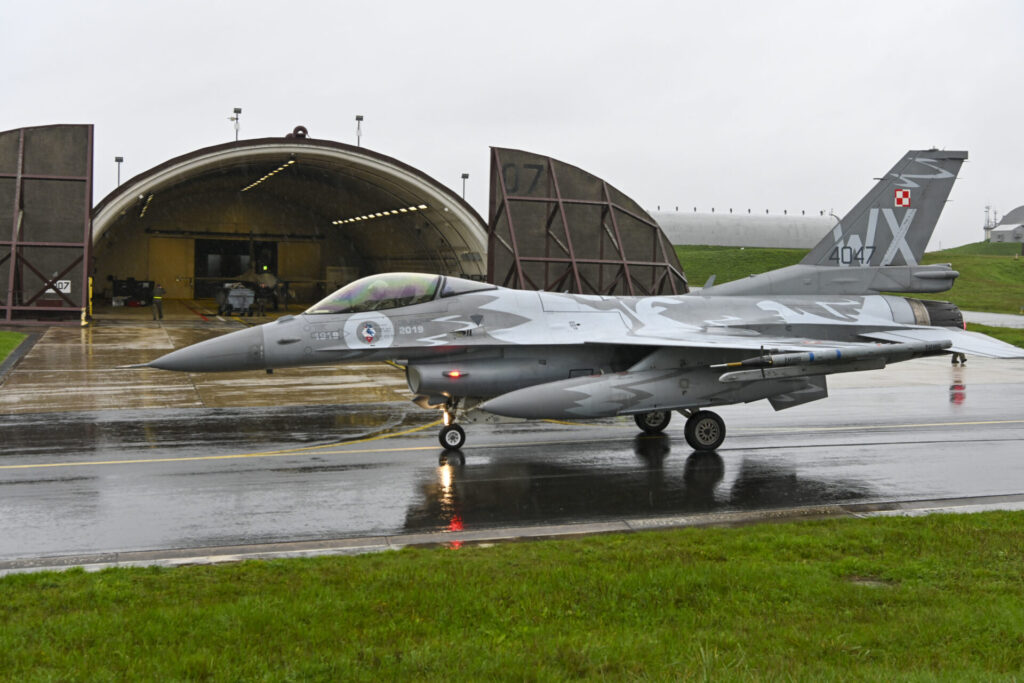
Overnight Sep 9-10, 2025, during a major Russian strike on Ukraine, about 19 drone-type objects violated Polish airspace; Polish and allied aircraft shot down several (official tallies vary between three and four), marking the first known instance of a NATO member firing in this war to defend Allied airspace. Debris fell across eastern Poland: in Wyryki-Wola (Lublin) a drone destroyed a house roof, and authorities also reported fragments in Czosnówka and Cześniki, with no casualties reported. Poland paused operations at four airports - Warsaw Chopin, Warsaw Modlin, Rzeszów–Jasionka, and Lublin before resuming with precautions. Diplomatically, Poland invoked NATO Article 4 for consultations; the North Atlantic Council met and condemned the violation, and the UN Security Council held an emergency briefing on Sep 12.
What does it mean?
• This is the first documented NATO defensive action against Russian drones inside Allied airspace since 2022 an escalation in the conflict’s spillover risk, even though the response is under Article 4 (consultations), not Article 5.
• NATO announced Operation Eastern Sentry a persistent, flexible reinforcement of the eastern flank (fighters, AEW&C/ISR, tankers, some naval and ground-based air-defense measures). Early contributions cited include France (Rafale), Denmark (F-16, frigate), UK/Germany (Typhoon/GBAD).
• Poland and several allies frame the incursions as deliberate testing of NATO responses; Russia denies intent. The UNSC (United Nations Security Council) session amplified the political cost for repeat violations, with a U.S.-backed condemnation by dozens of states.
The consequences
• Expect a bigger allied air-defense presence over/inside Poland: rotating fighter-jet patrols; AWACS radar planes (airborne early-warning & control aircraft that spot threats and direct fighters); aerial-refueling tankers; and possibly rotating Patriot and NASAMS batteries (ground-based surface-to-air missile systems used to shoot down aircraft, cruise missiles, and drones). Rules of engagement (when forces are allowed to fire) will be tightened for drones coming from the Ukraine–Belarus–Russia direction.
• Prepare for air-traffic disruptions: short-notice airport ground stops and frequent, updated NOTAMs (official pilot notices about temporary flight restrictions or hazards) in eastern and central Poland during large Russian attack waves. Airlines and insurers will adjust risk models and flight routes for Polish airspace.
• The UN Security Council (UNSC) discussion adds documentation and political pressure, but no binding decision yet. Real deterrence will hinge on NATO/EU measures and on continued public attributions by Polish prosecutors as they finish analyzing the drone debris.
What happened?
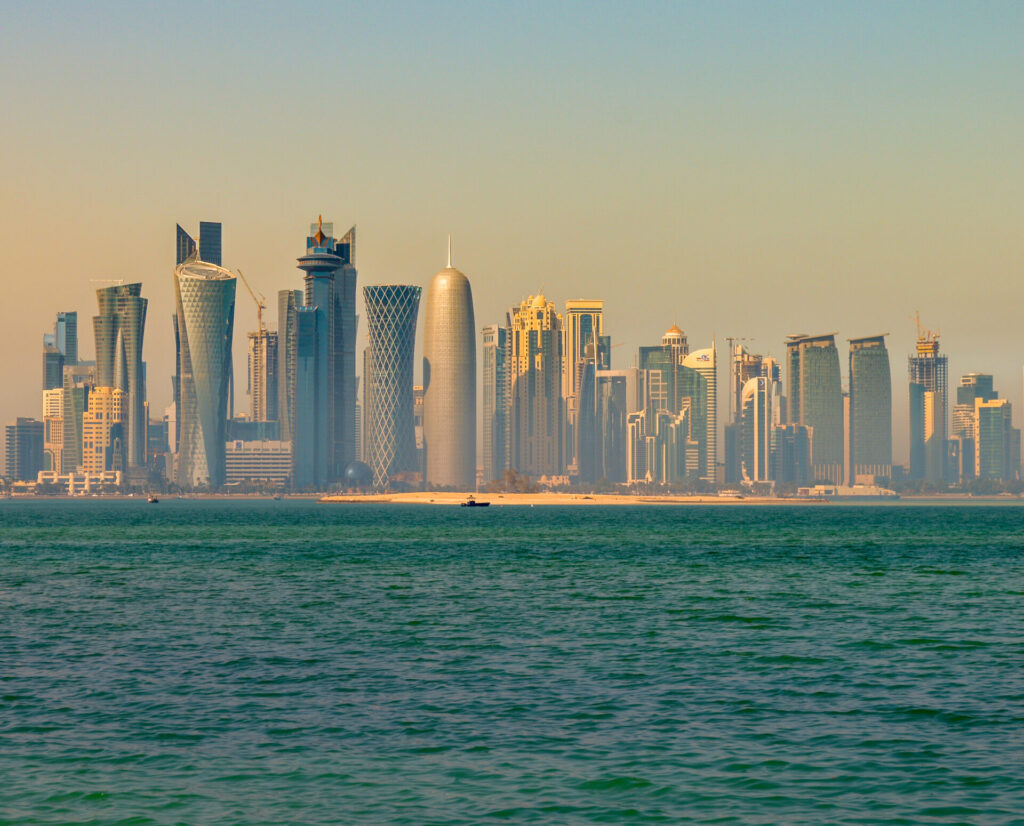
On the afternoon of Tuesday, 9 September 2025, multiple explosions were heard in Doha and heavy smoke rose over the Katara area amid a large security and emergency response. Israel announced it had carried out a precision strike inside Qatar targeting senior Hamas figures, including Khalil al-Hayya (a member of the interim leadership committee). Hamas stated its top leadership survived; six people were killed, including al-Hayya’s son, his aide/office director, several escorts, and a Qatari security officer. Doha condemned the attack as “cowardly” and a violation of international law. U.S. and U.K. reporting indicated the White House was notified “shortly beforehand,” and a U.S. spokesperson described the strike as “unhelpful.”
What does it mean?
• A first on Qatari/Gulf soil (publicly acknowledged): This is the first publicly acknowledged strike on Qatari territory a Gulf mediator state that hosts U.S. forces, expanding the target geography beyond Gaza, Lebanon, and Syria to a pivotal mediation hub.
• A blow to Doha’s mediation role: The attack undermines perceptions of a neutral, “safe” platform for talks and may push some rounds to more risk-averse venues or toward a distributed, multi-site mediation format.
• A cross-border deterrence signal: Hitting the Katara/Leqtaifiya vicinity a civilian/touristic zone signals that quasi-diplomatic safe havens are not immune if designated as command nodes.
• Awkward positioning for Washington: Advance notification coupled with the “unhelpful” label weakens the image of trilateral coordination (U.S.–Qatar–Israel) and complicates U.S. mediation.
The consequences
Amid rapidly unfolding events between late August and 10 September, the regional theater has widened: in Yemen, the Houthis announced the killing of their prime minister Ahmad Ghalib al-Rahawi in strikes on Sana’a, followed by a drone attack that hit Ramon Airport near Eilat; in Tunisia, the “Global Sumud Flotilla” to Gaza reported two boats coming under drone attacks on consecutive days while moored in Sidi Bou Said. Against this backdrop, the Doha strike punctured the “safe haven” assumption for Gulf-based mediation, raised protection costs, and disrupted communications protocols. The pattern of cross-border strikes and efforts to consolidate control over key border arteries and regional airspace suggests Israel is seeking to expand its “freedom of operational action,” approaching an extended security reach beyond traditional theaters.
In the near term, we expect tightened security in Doha and restrictions on movement for Palestinian figures, alongside narrative contestation (Doha emphasizing a sovereignty breach; Israel foregrounding “precision”). In our risk estimate, escalation in the West Bank remains high-probability/high-impact; acceleration and formalization of annexation steps are medium-probability/high-impact; and a Yemen–Israel track is medium-probability, shaped by the tempo of strikes and Houthi attacks. Bottom line: The Doha strike resets the security baseline for mediation tracks and nudges them toward geographic distribution rather than collapse, while the risk of slippage into a broader regional confrontation persists without, at present, clear indicators of an openly declared, full-scale regional war.
What happened?
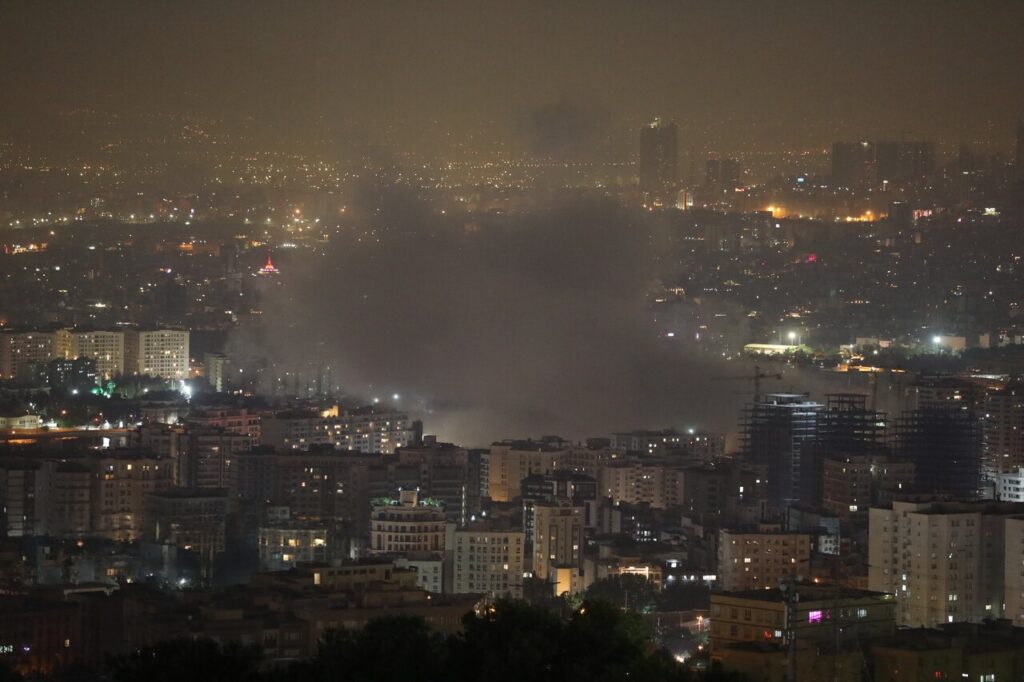
After Joint U.S.-Israeli strikes on Tehran, Tabriz, and Isfahan Ali Khamenei was killed in the strikes, according to Israeli and U.S. accounts, marking the most consequential leadership decapitation in the history of the Islamic Republic. Defense Minister Amir Nasirzadeh and IRGC Commander Mohammad Pakpour were reportedly killed. Civilian casualties were also recorded, including a fatal strike on a girls' school in the south. The escalation follows the collapse of Geneva nuclear talks and growing concern over Iran's enrichment activities
What does it mean?
The current escalation marks a qualitative shift toward overt interstate confrontation, moving the Iran file beyond sanctions and diplomacy into direct, high-risk military exchange. Nuclear uncertainty remains a central driver of risk, as unresolved questions over enrichment and stockpiles increase the likelihood of further strikes and rapid deterioration. Iran is entering this confrontation from a position of domestic fragility, where economic pressure and public frustration could deepen instability while also enabling harsher internal securitization. The confrontation is also unlikely to remain contained, with consequences already spreading across the region through security, aviation, maritime, and energy channels.
The consequences
The Iran crisis has entered a more dangerous and less predictable phase, with the confrontation shifting from proxy dynamics to direct military exchange tied to the unresolved nuclear file. Inside Iran, the escalation is deepening public fear and economic disruption, worsening existing currency weakness, inflation, and civil unrest. Pressure on access to cash, fuel, and essential goods is likely to intensify, increasing the risk of further domestic instability while reported deaths and injuries add to the humanitarian and political costs.
Khamenei’s death also opens a critical succession question at the heart of the regime. The central issue is no longer only how Iran responds militarily, but whether the system can produce a successor quickly enough to project continuity, preserve elite cohesion, and secure public acceptance during a moment of acute national shock. Any delay, contestation, or perception of imposed succession could deepen internal uncertainty and heighten the risk of factional struggle. The Assembly of Experts is formally tasked with selecting a successor, while hardline IRGC elements could become especially influential in a post-Khamenei scenario.
At the regional level, spillover is already visible, with missile activity, interceptions, or impacts linked to Abu Dhabi, Dubai, Bahrain, Kuwait, Qatar, Saudi Arabia, and Jordan, alongside rising risks to shipping, aviation, and energy flows, especially around the Strait of Hormuz. The convergence of military escalation, nuclear uncertainty, succession pressure, and domestic fragility creates a highly volatile environment with potentially far-reaching consequences for regional security, stability, and economic continuity.
What happened?
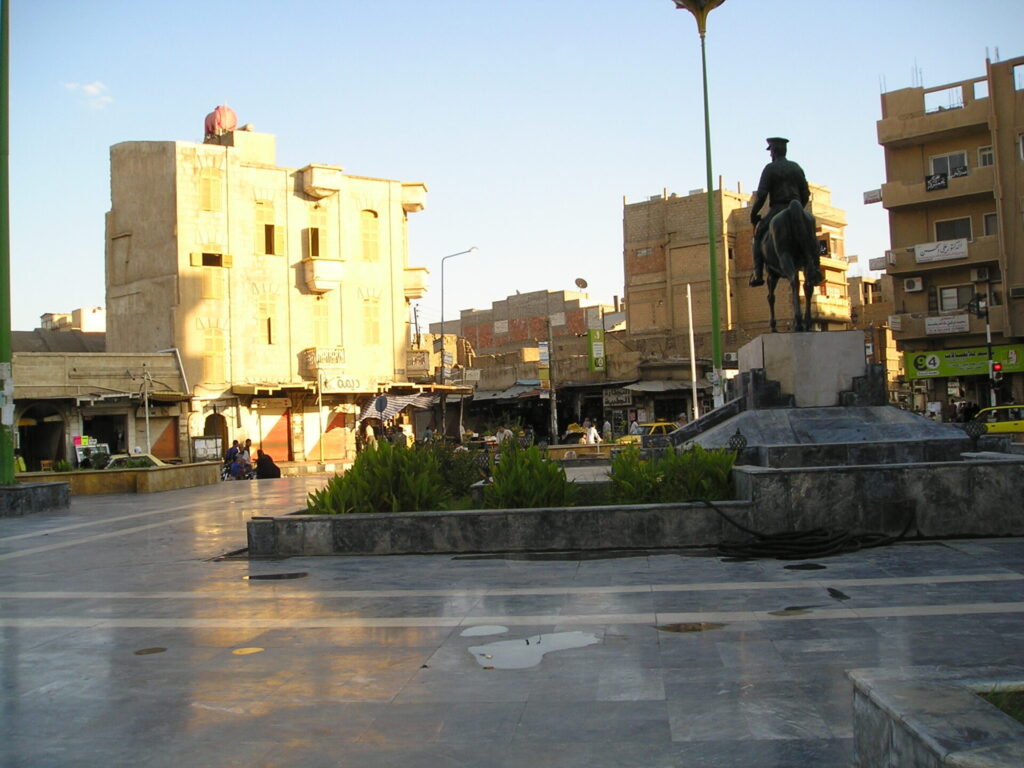
On 22 August 2025, two militants from the so-called Islamic State carried out a suicide attack on the al-Siyāsiyah checkpoint in al-Mayadin, Deir ez-Zor, Syria. According to most reports, security forces shot one of the attackers while the second detonated his explosives, killing one member of the Internal Security forces; however, other accounts suggest both assailants were killed before they could detonate. Additional reports indicate that one to two security personnel may have been injured during the incident.
What does it mean?
• The Middle Euphrates remains an active insurgency zone where the so-called Islamic State leverages small teams and close-in attacks on fixed points.
• Incorporating a suicide component (or attempting to) signals intent to keep psychological pressure on regime-held nodes even with limited manpower.
• Checkpoints are repeat targets; rapid engagement reportedly limited the attack but did not prevent a fatality.
The consequences
• This incident aligns with broader patterns of low-intensity but durable insurgent activity across Syria and Iraq. Without structural changes in local governance, such attacks will remain episodic but persistent.
• Repeated checkpoint bombings risk eroding public trust in the Syrian state’sability to secure liberated areas, potentially facilitating recruitment by the so-called Islamic State.
What happened?
On 1 June 2025, a weekly “Run for Their Lives” walk on Boulder’s Pearl Street Mall—held in support of Israeli hostages in Gaza was attacked by 45-year-old Mohamed Sabry Soliman. Armed with Molotov cocktails and spray bottles of accelerant, the assailant hurled firebombs and sprayed flames while shouting “Free Palestine” and “End Zionists.” Two victims were airlifted with severe burns; several others suffered moderate-to-serious injuries.
What does it mean?
Soliman’s shouted references to Gaza reveal how personal grievances over the humanitarian crisis there can drive a lone individual to commit violence against Jewish targets in the United States; experts note that since Hamas’s 7 October 2023 attack on Israel, many antisemitic incidents in the U.S. and Europe have explicitly cited Gaza as justification. In Soliman’s case, his actions fit the pattern of a self-radicalized lone-wolf actor who consumes extremist propaganda. Crucially, at 45 years old he falls outside the more common under-35 age-bracket for such perpetrators. Analysts are now tracking a nascent trend of older offenders (40+) embracing radical ideologies and acting alone, an age-shift also visible in the 26 May 2025 Liverpool vehicle-ramming, where a 53-year-old driver injured dozens (motive still under investigation) This Boulder fire-bombing coincided with other recent incidents in which Gaza-related grievances manifested as violence or intimidation: days earlier, a self-identified pro-Palestinian sympathizer in Washington, D.C., shot and killed two Israeli-American embassy staffers, and vandalism in Paris using green paint (a symbol of Hamas) targeted several Jewish institutions after pro-Gaza demonstrations. Although the methods differed fire-bombs in Colorado, gunfire in D.C., symbolic graffiti in France, all three events illustrate the ideological through-line of Gaza-motivated violence while also spotlighting the emerging willingness of older radicals to employ violence, reflecting a wider surge in extremist attacks tied directly or indirectly to frustration over Gaza.
The consequences
Without a sustainable ceasefire and substantial humanitarian relief for Gaza’s civilian population, persistent grievances will continue to serve as ideological catalysts for lone-wolf attackers and transnational extremist networks. The emergence of older perpetrators (40+) in ideologically-driven attacks suggest a shift in extremist demographics, warranting revised strategies for monitoring and intervention. The attack exacerbates communal tensions, potentially fueling cycles of fear, mistrust, and further polarization between different ethnic and religious communities in the U.S. This incident may catalyze political momentum for strengthened hate-crime legislation, tougher immigration enforcement (given the assailant's overstayed visa status) Balancing legitimate humanitarian advocacy related to Gaza with explicit condemnation of violent extremism becomes crucial to preventing the conflation of political activism with acts of hate-driven violence. This incident underscores the need for careful diplomatic messaging and policy considerations regarding the Israel-Gaza conflict, especially in avoiding rhetoric that may inadvertently fuel radical narratives.
What happened?
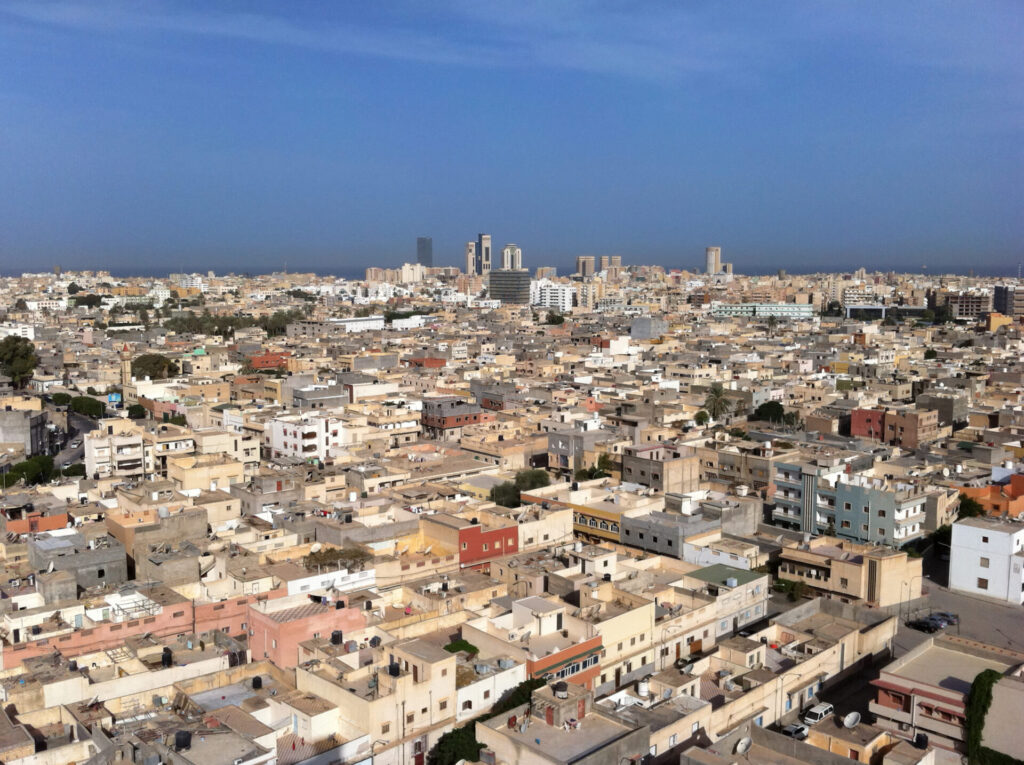
On 12 May 2025, intense clashes broke out in Tripoli after Abdel Ghani al-Kikli (“Gheniwa”), commander of the Stability Support Apparatus (SSA), was assassinated inside the 444th Brigade headquarters in Abu Salim, a stronghold of his forces.
His killing sparked heavy fighting across southern Tripoli, including Abu Salim, Salah Eddin, Hadda Plateau, and Dribi, with residents reporting gunfire, mortars, and mobilized militias.
In response:
• The GNU declared a state of emergency and urged civilians to stay indoors.
• Hospitals were placed on high alert.
• Schools, universities, and Mitiga Airport suspended operations.
The UNSMIL called for an immediate ceasefire, warning all sides to protect civilians.
At least six people were injured, with tensions still high and further violence possible.
What does it mean?
• The killing of a senior SSA leader inside the capital underscores the weakness of unified security command in post-2011 Libya, where militias still operate as autonomous power centers.
• Rapid escalation from a single assassination to city-wide battles highlights how localized disputes can spiral into broader urban armed confrontations, endangering civilians in densely populated neighborhoods.
• UNSMIL’s urgent ceasefire appeal and similar calls from the French Embassy signal growing international impatience with recurring militia violence, as foreign diplomats warn of potential war-crimes implications for attacks on civilian targets
The consequences
• GNU’s emergency measures and targeted operations may temporarily contain the clashes, but without a durable political settlement or effective disarmament of militias, future flare-ups remain a serious threat.
• School and university closures, travel restrictions and mass-casualty medical preparations protect civilians in the short term but disrupt essential services, exacerbate anxiety and strain already overburdened health facilities.
• Renewed fighting will likely intensify diplomatic pressure on Libya’s rival factions to recommit to UN-mediated security integration; failure to stabilize Tripoli could prompt targeted sanctions or expanded international monitoring of humanitarian-law violations.